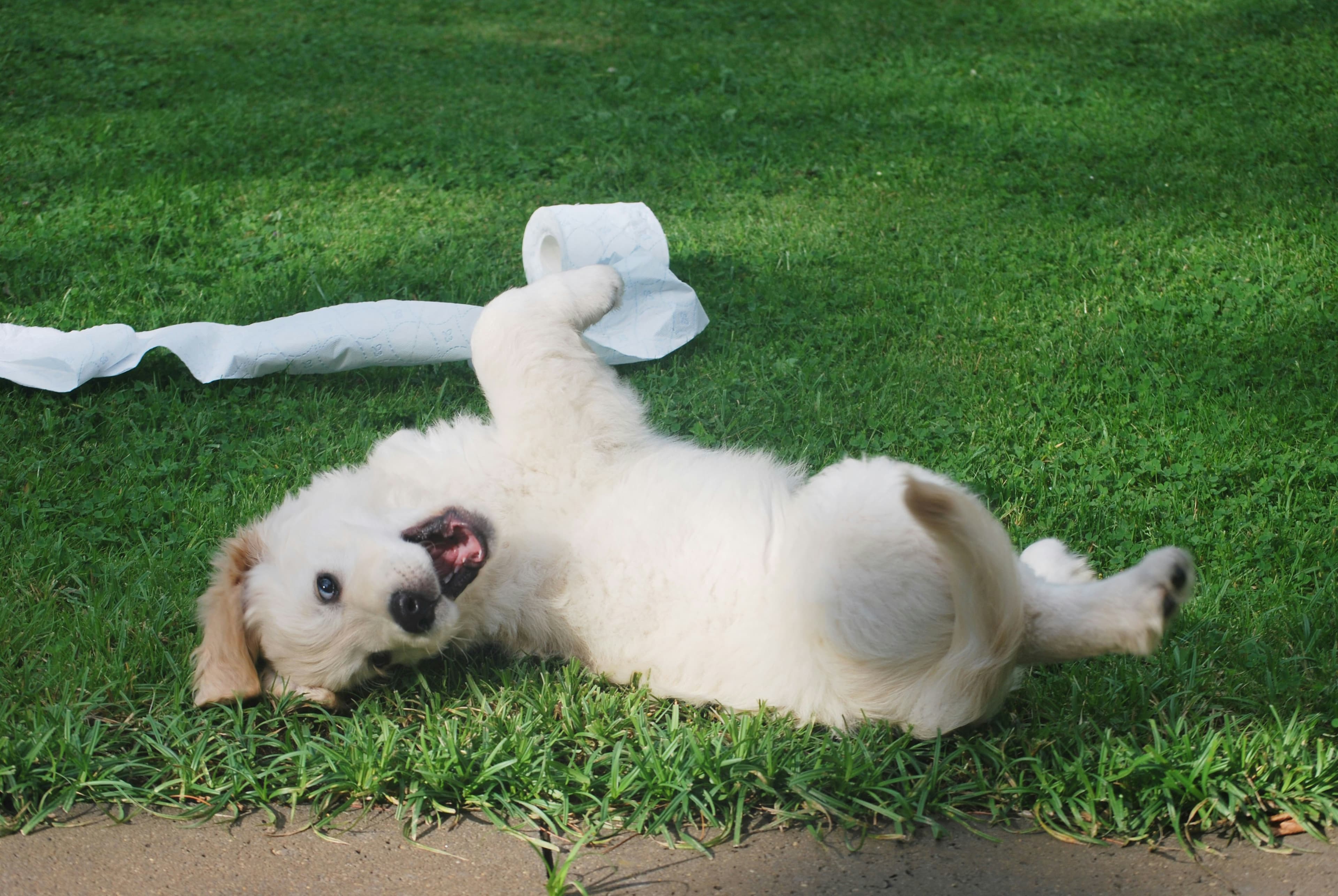
If you have noticed that your dog waste problem seems to get significantly worse during Auckland's summer months, you are not imagining it. Heat and humidity supercharge every negative aspect of dog waste, from bacteria levels and parasite risk to fly populations and that unmistakeable smell. Understanding why this happens and adjusting your routine accordingly can make the difference between a backyard you enjoy and one you avoid.
Why Summer Makes Everything Worse
Auckland typically experiences summer temperatures between 22 and 28 degrees Celsius, with humidity levels frequently above 70%. These conditions create a perfect storm for accelerating the problems caused by dog waste.
Bacteria Multiply Faster
Bacteria thrive in warm, moist conditions. At summer temperatures, bacterial populations in dog waste can double every 20-30 minutes. A single deposit left in the morning sun can contain billions of bacteria by the afternoon. The key pathogens (E. coli, Salmonella and Campylobacter) all reproduce more rapidly in Auckland's summer conditions than during cooler months.
This means the window between a deposit being made and it becoming a significant contamination source is much shorter in summer. Waste that might take days to become a serious health concern in winter can reach dangerous contamination levels within hours on a warm Auckland day.
Parasites Develop Faster
Temperature directly affects the development rate of parasite eggs and larvae in dog waste. Roundworm eggs, which typically take 2-4 weeks to become infectious in cooler weather, can reach the infectious stage in as little as one week during summer. Hookworm larvae are also more active in warm soil, increasing the risk of skin penetration for anyone walking barefoot.
The Fly Problem Explodes
Flies are arguably the most visible (and annoying) summer consequence of dog waste. Common houseflies and blowflies are attracted to dog faeces for egg-laying, and warm temperatures dramatically accelerate their breeding cycle:
- A single fly can lay 500 eggs in its lifetime
- In summer conditions, fly eggs can hatch in as little as 8-12 hours
- A complete generation cycle (egg to adult) takes just 7-10 days in warm weather
- Populations can explode exponentially within weeks
Once flies breed in dog waste, they spread bacteria to every surface they land on, including your outdoor furniture, barbecue area, kitchen bench and food. They are not just a nuisance; they are a genuine health vector.
The Smell Intensifies
Heat accelerates the decomposition process and the release of volatile organic compounds, the chemicals responsible for the smell of dog waste. On a still, warm Auckland day, the odour from accumulated waste can be overwhelming, making your backyard genuinely unpleasant to use.
The smell also carries further in warm conditions. What might be contained to your property in winter can drift to neighbouring yards in summer, creating tension with neighbours and, in some cases, prompting complaints to Auckland Council.
Summer-Specific Health Risks
Beyond the accelerated bacteria and parasite issues, summer creates some unique health scenarios:
Children Spend More Time Outdoors
Auckland's summer holidays mean children are in the backyard more often, for longer periods and with less supervision. They are more likely to be barefoot, playing on the grass and in contact with soil. This increased exposure time, combined with the heightened contamination levels in summer, creates a significantly elevated health risk.
Paddling Pools and Water Play
Summer means paddling pools, sprinklers and water play in the garden. If your yard has contaminated soil from dog waste, splashing water can spread bacteria and parasites across a wider area, and children may ingest contaminated water during play. Always ensure paddling pools are set up well away from areas where your dog toilets, and drain and clean them regularly.
Barbecues and Outdoor Dining
Summer is barbecue season in Auckland, and outdoor food preparation and dining increases the risk of cross-contamination from flies that have been in contact with dog waste. If flies are breeding in waste in your yard, they are landing on your food.
Dog Dehydration and Health
Dogs themselves face increased risks in summer. Heat can cause dehydration and heat stress, which may change the consistency and volume of their waste. Dogs that are unwell from heat exposure may produce looser stools that are harder to clean up and spread contamination over a larger area.
Summer Yard Management Tips
Adjusting your waste management routine for summer is essential. Here are practical steps for Auckland dog owners:
Increase Cleanup Frequency
If you normally clean up weekly, consider switching to twice weekly or even every other day during the hottest months (December through February). The faster waste becomes a problem in summer, the more frequently it needs to be removed.
Clean Up in the Morning
Remove waste early in the day, before the heat accelerates bacterial growth and fly activity. An early morning collection is far more effective than waiting until the cool of the evening, by which time the damage (and the smell) is already done.
Water the Lawn After Cleanup
A post-cleanup watering serves multiple purposes: it dilutes any residual contamination, helps cool the soil and promotes lawn recovery. Focus on areas where waste was concentrated.
Manage Fly Breeding
Beyond waste removal, reduce fly populations by:
- Keeping outdoor rubbish bins sealed and clean
- Disposing of collected waste in a lidded bin immediately
- Using fly traps around outdoor living areas (the vinegar-based traps from garden centres work well)
- Ensuring compost bins are properly covered
Provide Shade and Water for Your Dog
A well-hydrated, comfortable dog produces more consistent waste that is easier to manage. Ensure fresh water is always available and provide adequate shade in the yard. Some Auckland vets recommend adding ice cubes to water bowls on particularly hot days.
Consider a Summer Service Upgrade
If you use a professional waste removal service, summer is the time to consider increasing your frequency. A weekly service that works well in winter may not be sufficient during the peak summer months when problems escalate so much faster.
Auckland's Summer Hot Spots
Certain parts of Auckland tend to experience more intense summer waste issues due to local conditions:
- North-facing properties: Get more direct sun, which heats waste faster and intensifies smell and bacterial growth
- Sheltered, low-lying areas: Suburbs in sheltered valleys like Henderson and parts of the North Shore trap heat and humidity, creating ideal conditions for bacterial proliferation
- Properties near water: Higher ambient humidity around coastal suburbs like Mission Bay, Kohimarama and Browns Bay keeps waste moist, which bacteria prefer
Stay Ahead of the Heat
Summer in Auckland is for enjoying your backyard, not avoiding it because of dog waste. By increasing your cleanup frequency and adjusting your routine for the warmer conditions, you can keep your outdoor space clean, healthy and pleasant all season long.
Backyard Buddies offers flexible scheduling that can be adjusted seasonally, so your yard stays clean year-round. Get a free instant quote and enjoy your summer without the stress.